
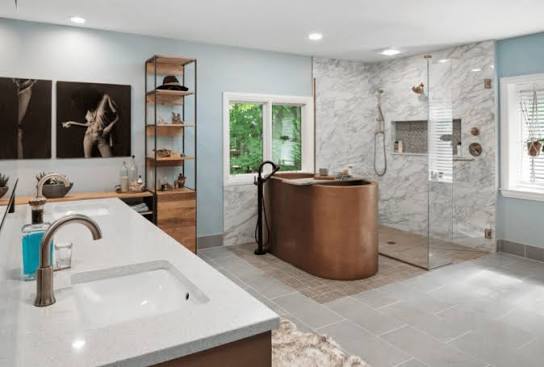
Home remodeling describes making structural adjustments or considerable modifications to a residence to enhance functionality, aesthetics, or value. Unlike renovation (which updates existing functions), remodeling includes modifying formats, including area, or altering just how areas operate.
Trick Characteristics of Home Improvement:
- Structural adjustments: Eliminating walls, relocating plumbing/electrical lines
- Design modifications: Producing open layout, reconfiguring area objectives
- Significant enhancements: Including areas, expansions, or brand-new attributes
- Useful improvements: Enhancing workflow, storage space, and availability
Common Home Improvement Projects:
- Kitchen area remodels: Cupboard substitute, design adjustments, device upgrades
- Washroom remodels: Shower/tub substitute, vanity upgrades, accessibility attributes
- Living space alterations: Opening floor plans, ending up basements, developing home offices
- Exterior improvement: Roof substitute, exterior siding updates, window/door setup
Purposes of Home Renovation:
- Enhance capability – Better formats, increased storage space, enhanced access
- Update visual appeals – Update surfaces, create natural layout style
- Boost home value – Increase home worth and aesthetic charm
- Improve convenience – Produce individualized living spaces suited to lifestyle needs
Bottom Line: Home remodeling transforms just how your residence looks and functions through substantial architectural or layout modifications, calling for professional competence, allows, and considerable investment compared to straightforward remodellings.
Recognizing Home Improvement
Definition and Extent
Redesign vs. Remodel: The terms „remodel“ and „renovate“ are commonly utilized mutually, yet there can be subtle differences.
- Remodel: Generally describes extra extensive modifications that change the framework, format, or function of a space. This can entail eliminating wall surfaces, relocating plumbing or electrical lines, or including totally new features.
- Restore: Typically describes jobs concentrated on revitalizing or updating existing features without significant structural adjustments. Instances include changing obsolete coatings (cupboards, kitchen counters, floor covering), fixing damaged components, or enhancing capability with small adjustments.
Series of Renovation Projects: Home redesigning incorporates a wide range of projects, from little updates to major renovations.Read about https://adsbuildingandremodeling.com/ At website Here’s a break down of the scope:
- Small-Scale Remodels: These commonly entail aesthetic enhancements or attending to small practical problems. Examples consist of painting, replacing fixtures (faucets, lights), installing new equipment, or upgrading floor covering in a solitary space.
- Mid-Range Remodels: These tasks entail modifying existing areas to improve functionality or aesthetics. This could consist of reconfiguring a restroom layout, replacing kitchen cabinets and kitchen counters, including built-in shelving in a living room, or finishing a cellar.
- Large-Scale Remodels: These are thorough tasks that dramatically modify the framework or layout of your home. Instances include tearing down walls to develop open-concept space, including an entire space extension, completely gutting and restoring a cooking area or washroom, or taking on significant structural upgrades.
Purposes of Home Remodeling
There are several reasons home owners start redesigning projects. Below’s a better take a look at the crucial objectives:
Improve Performance:
- Resolving Layout Issues: Residence built years ago might have designs that don’t fit contemporary living designs. Makeover can boost flow by getting rid of unnecessary wall surfaces, opening up kitchens to living locations, or reconfiguring bathrooms for far better use room.
- Boost Storage Space: With time, a home’s storage space capacity may come to be poor. Renovation allows for the development of devoted storage services like integrated closets, shelving systems, or kitchen upgrades in the cooking area.
- Enhance Accessibility Features: As requirements transform, homes might require modifications to suit aging-in-place or accessibility problems. This can involve widening doorways, setting up grab bars in washrooms, or reducing countertops in the kitchen.
Update Appearances:
- Update Out-of-date Coatings: Gradually, coatings like floor covering, kitchen counters, cabinets, and components can come to be out-of-date or used. Makeover allows for a refresh by incorporating contemporary products, layouts, and shade palettes.
- Develop Cohesive Design Design: A home might have a mix of design styles from various eras. Makeover allows you to develop a linked visual throughout your home, showing your personal preference and choices.
- Raise Visual Appeal: The outside of your home is the first impression. Redesigning the exterior with brand-new home siding, upgrading the entrance, or enhancing landscaping can considerably boost visual allure and potentially improve home worth.
Advantages of Home Improvement
Investing in home remodeling supplies a multitude of benefits that prolong past visual appeals. Below are some crucial benefits:
- Boosted Comfort and Enjoyment: A properly designed and functional home adds to a much more comfortable and enjoyable living setting.
- Enhanced Performance and Livability: Makeover addresses design concerns and improves storage space, bring about a more practical and straightforward space.
- Potential Rise in Home Worth: Updating finishes, boosting energy performance, or adding square video with expansions can possibly increase your home’s value when you make a decision to market.
- Boosted Safety and Power Effectiveness: Improvement allows you to address security hazards like out-of-date circuitry or leaky roof coverings. In addition, energy-efficient upgrades fresh windows or insulation can conserve you cash on utility costs.
- Creation of a Personalized Living Area: Through improvement, you can individualize your home to match your way of living and leisure activities, developing an area that absolutely mirrors your taste and needs.
Types of Home Renovation Projects
Interior Remodeling
Kitchen Makeover: The kitchen is typically the heart of the home, and kitchen remodels are a few of one of the most prominent tasks. Below’s a break down of typical components:
- Cupboard Refacing vs. Substitute: Refacing entails applying a brand-new veneer over existing cabinet doors and frames, offering a more budget-friendly means to update the look. Replacing closets completely offers higher customization and longevity but comes with a higher expense.
- Format Adjustments: Customizing the kitchen design can significantly improve functionality. This might include relocating appliances, transferring the sink, creating an island, or opening up the area to an adjacent eating location.
- Home appliance Upgrades: New appliances can enhance capability, aesthetic appeals, and energy effectiveness. Factors to consider include dimension, features, design, and budget. Popular upgrades include built-in stoves, cooktops, dishwashing machines, and fridges.
Considerations for Cooking Area Remodels:
- Functionality: Examine your operations in the kitchen and focus on functions like the positioning of the sink, cooktop, and fridge for a smooth food preparation experience.
- Storage: Kitchens can easily end up being messy. Layout sufficient storage options like pull-out cabinets, kitchen cupboards, and integrated shelves to optimize room use.
- Budget plan: Kitchen area remodels can range from easy updates to premium remodellings. Clearly specify your budget plan upfront and prioritize essential elements like cabinetry and appliances.
Bathroom Remodeling: Shower rooms are an additional popular location for makeover. Below’s a malfunction of typical jobs:
- Shower/Tub Replacement: Changing a bathtub with a shower or vice versa can improve functionality based upon your requirements. Walk-in showers are becoming increasingly popular for access and a modern-day look.
- Vanity Upgrades: This can entail replacing the whole vanity system or just the countertop and sink. Think about storage options, counter top material (granite, quartz, laminate), and sink design (single container, double container).
- Floor covering: Bathroom floors need to be waterproof and simple to clean. Popular options consist of ceramic floor tile, vinyl flooring, or all-natural rock.
Considerations for Restroom Remodels:
- Availability: If you have aging-in-place requirements or strategy to in the future, think about setting up grab bars near the shower or toilet, a raised toilet seat, and wider doorways for wheelchair ease of access.
- Air flow: Appropriate ventilation is vital to stop dampness build-up and mold and mildew growth. Guarantee adequate air flow with an exhaust follower, specifically after bathing.
- Area Optimization: Washrooms are frequently tiny rooms. Utilize space-saving features like corner vanities, wall-mounted commodes, and built-in storage services.
Living Area Renovation: Living spaces can be changed to much better suit your way of living and demands. Below are some instances:
- Opening Layout: Eliminating walls between cooking areas and living locations develops a much more open and ventilated feel, promoting far better flow and link between spaces.
- Creating Office: With the rise of remote work, dedicated home office areas are ending up being increasingly popular. Consider integrated workdesks, shelving for storage, and appropriate illumination for productivity.
- Ending up Cellars: Incomplete basements offer a blank canvas for producing additional space. Popular options include living room, home cinemas, visitor bed rooms, or game rooms.
Considerations for Living Area Remodels:
- Website traffic Flow: Make certain a smooth flow of web traffic throughout the renovated area. Stay clear of producing bottlenecks or awkward paths.
- Illumination: Proper illumination is vital for performance and developing ambiance. Think about a mix of above lights, job illumination, and accent lighting depending upon the objective of the space.
- Purpose of the Area: Clearly specify the designated objective of the remodeled space to lead layout decisions. For instance, a family room requires sturdy and easy-to-clean materials, while an office prioritizes capability and organization.
Outside Improvement
Roof Substitute: The roof covering is important for securing your home from the aspects. Below’s why it is necessary and exactly how to understand when it needs substitute:
- Significance of an Excellent Roofing: A functioning roof shields your home’s inside from rainfall, snow, and other weather condition components. A dripping or damaged roof can lead to architectural problems, mold development, and pricey repair services down the line.
- Indications a Roof Covering Needs Replacement: Curling or fractured tiles, missing tiles, visible leakages, drooping roofline, and extreme moss growth are all signs that your roof covering may require replacement.
Kinds Of Roof Materials and their Pros and Cons:
- Asphalt Shingles: The most preferred selection because of price and simplicity of installation. Nonetheless, they have a much shorter lifespan (15-30 years) and may not appropriate for all climates.
- Metal Roof: Deals exceptional toughness (enduring 40-70 years) and excellent resistance to fire, wind, and hail. Nonetheless, metal roofing systems can be much more costly than asphalt and might be loud during heavy rainfall or hailstorm.
- Slate Roofing: A luxurious and long-lasting alternative (lasting over 100 years) with a timeless aesthetic. However, slate is really hefty and needs a strong roof covering framework to sustain it. It’s additionally one of the most expensive roof covering product.
- Floor tile Roofing: Supplies a timeless look and great durability (long-term 50-70 years). However, tile can be heavy and pricey, and it’s vulnerable to breaking or breaking in extreme weather condition.
Siding Replacement: Out-of-date home siding can diminish your home’s visual allure and potentially influence energy effectiveness. Here are the benefits of changing house siding:
- Improved Looks: New exterior siding can significantly boost the appearance of your home, increasing visual charm and possibly boosting residential property worth.
- Raised Toughness: Modern exterior siding materials are extra resistant to weather damage, rot, and insect problem, using lasting defense for your house.
- Power Efficiency: Particular home siding materials can enhance insulation and decrease power usage, decreasing your energy expenses.
Types of Home Siding Products and their Benefits And Drawbacks:
- Plastic Siding: A prominent choice due to affordability, reduced upkeep needs, and a variety of styles and colors. Nevertheless, plastic house siding can be vulnerable to warping or melting in severe temperature levels.
- Wood House siding: Uses a classic and natural aesthetic, with good insulation homes. However, wood needs regular upkeep (paint, discoloration) and is extra vulnerable to weather damage and insect infestation contrasted to various other materials.
- Fiber Concrete House Siding: Provides the appearance of timber with higher sturdiness and reduced maintenance demands. It’s immune to fire, rot, and bug damage. Nonetheless, fiber cement house siding can be a lot more expensive than vinyl.
Window and Door Substitute: Updating doors and windows can substantially boost your home’s power performance, security, and aesthetics. Below’s a break down of the advantages:
- Power Efficiency: Modern doors and windows with double-paned glass and appropriate insulation can dramatically lower warm transfer, reducing your heating and cooling costs.
- Safety: New windows and doors often include enhanced locking mechanisms and tougher products, enhancing your home’s safety and security.
- Looks: Replacing outdated doors and windows with modern-day styles can dramatically boost the visual appeal of your home.
Safety Considerations for Outside Doors:
- Door Product: Strong core wood or steel doors use the best safety and security contrasted to hollow core doors.
- Securing Mechanisms: Pick deadbolt locks with high-security scores for included defense.
- Joints: Reinforced hinges make it harder to force entry via a door.
By comprehending the different types of home remodeling projects and their factors to consider, you can make educated decisions to produce a room that flawlessly mirrors your requirements and choices.
The Home Improvement Refine
Planning and Design
Identify Your Goals and Allocate the Remodel: This is the structure of your job. Plainly define your objectives for the remodel. Are you aiming to enhance capability, enhance looks, boost value, or produce a committed room for a specific activity? Next off, establish a sensible spending plan that considers all aspects of the project, consisting of products, labor, allows, and prospective unforeseen expenses.
Research and Gather Ideas: Study research to recognize present patterns, products, and layout possibilities. Discover on the internet sources like home improvement sites, style blog sites, and social media platforms like Pinterest and Houzz. Look through magazines, participate in home improvement programs, and see local display rooms to see products firsthand. Create mood boards or design motivation folders to picture your preferred outcome.
Think about Working With a Specialist Designer or Designer: For complicated projects including substantial architectural modifications, customized layouts, or incorporating intricate attributes, think about hiring an expert designer or designer. They can help translate your vision into a practical and cosmetically pleasing layout plan, browse building codes and regulations, and make sure structural honesty.
Licenses and Authorizations
Before starting building, it’s critical to obtain any type of essential licenses from your local structure division. These authorizations guarantee your job follow building ordinance and safety laws. The specific permits required will certainly differ depending upon the extent of your remodel. Your contractor can typically encourage you on the licenses needed and assist with the application procedure, which might entail submitting in-depth plans and paying associated costs.
Conclusion
Home remodeling is a transformative experience that permits you to personalize your home and create a home that completely reflects your demands and wishes. From enhancing functionality and appearances to increasing worth and convenience, the benefits of renovating are numerous.
Nevertheless, a successful remodel calls for mindful planning, practical budgeting, and effective project monitoring. By comprehending the different kinds of redesigning tasks, the actions associated with the process, and the potential factors to consider, you can navigate the journey with even more confidence.
Remember, a well-designed and well-executed remodel can breathe new life into your home, cultivating a sense of satisfaction and satisfaction for several years to find.
Right here are some vital takeaways to keep in mind:
- Prioritize Your Objectives: Recognize what you want to attain with your remodel, whether it’s boosting performance, boosting visual appeal, or producing a devoted area for a hobby.
- Strategy and Budget Meticulously: Develop a detailed plan laying out the extent of job, products required, and a sensible budget that includes all potential expenses.
- Find a Qualified Professional: Research and employ a trustworthy service provider with a tested track record and clear communication practices.
- Welcome the Refine: Be prepared for some level of interruption throughout construction. Maintain open communication with your contractor and manage expectations throughout the project.
By adhering to these actions and thoroughly taking into consideration the information in this rundown, you can change your dream redesign right into an effective fact, developing an area that shows your unique style and boosts your general lifestyle.